
The Complete Guide to Automated Outdoor Shades
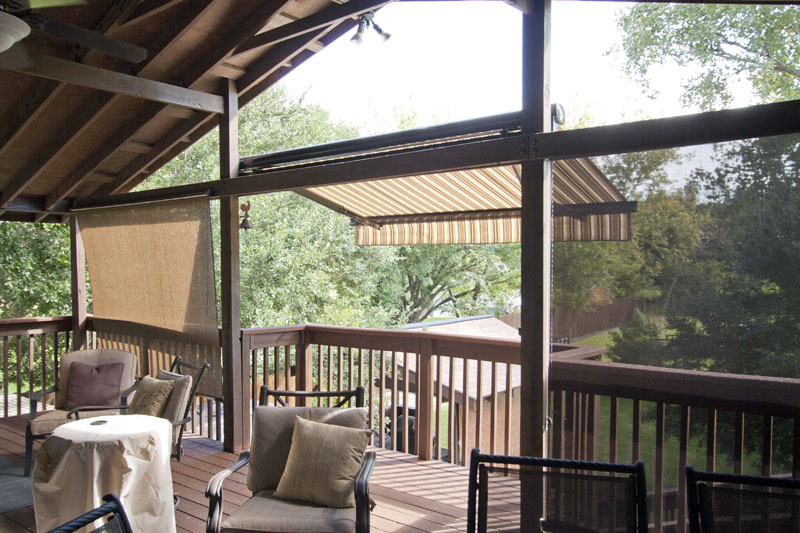
Outdoor living has evolved far beyond simple patios, sun decks, and pergolas. Today’s homeowners expect comfort, energy efficiency, and convenience-all seamlessly integrated using smart technology. Playing a pivotal role in this transformation and modernization are automated outdoor shades.
With the ability to adapt to strong winds and extreme weather conditions, these motorized systems can help maintain optimal temperatures outdoors, protecting your furniture from UV exposure and reducing cooling costs. They can also be integrated into your existing smart home ecosystem, thereby allowing you to control shade levels with a simple voice command or tap on your phone, making outdoor spaces as effortless to enjoy as your indoor ones.
How Automated Outdoor Shades Work
Automated outdoor shades were created, combining precision engineering with intelligent control. Using a quiet motor which powers the shade’s up and down movement, the shade can be controlled by a wall switch, app, or remote.
Several models on the market include built-in sensors that respond to sunlight, wind, or temperature. For example, a shade can automatically lower on a hot day to block glare or retract during strong winds to prevent damage.
Homeowners can opt for hardwired installations that provide ongoing power or battery-operated systems, which offer simpler retrofits while delivering smooth, reliable motion and long-term performance.
Automated vs. Manual Outdoor Shades
While manual shades usually rely on cranks or pulleys, automation delivers effortless precision. Large patios or commercial spaces can especially benefit from automated control, since multiple shades can be synced and operated simultaneously.
Automation can add tremendous value in situations where shades are often used or where the weather can change quickly. It’s the motorized portion that enables consistent performance, extending the covering’s fabric life by preventing misuse and eliminating the wear and tear that are so common with manual systems.
Manual options may be suitable for small, infrequently used areas. However, for everyday comfort and long-term reliability, automation is the clear winner.
Ideal Applications for Automated Outdoor Shades
Suited for virtually any open-air environment, automated outdoor shades are appropriate for the following situations:
- Patios & Decks: Maintain superb comfort and block glare during gatherings. Explore the variety of deck shade options for design inspiration.
- Restaurants & Cafes: Enhance the guest experience by providing adaptable shade coverage.
- Commercial spaces: Enhance comfort and protect outdoor furnishings.
- Residential Balconies: Provides privacy and weather protection with a single touch.
FAQs
- How much do motorized patio shades cost?
Prices for automated outdoor shades can vary significantly based on several factors, including size, material, and automation features. On average, motorized patio shades can cost anywhere between $3,000 and $8,000, which includes both purchase and installation.
- Are motorized patio shades worth it?
Absolutely! They provide long-term savings thanks to reduced energy costs, protect furniture, and offer unmatched comfort and convenience, particularly in climates with intense sun or heat.
- What is the difference between motorized and automated shades?
Motorized shades typically require manual activation using either a remote or a switch. Automated shades feature built-in or integrated sensors that enable independent operation based on weather conditions or preset timed settings.
- What are he best motorized smart shades?
Premium models, such as Rollac’s retractable shading systems like our Zipshades, stand out among competitors due to their exceptional craftsmanship, wind resistance, and compatibility with leading smart home systems.
- What are the disadvantages of motorized blinds?
They require initial installation costs and occasional maintenance for batteries or motors, but these factors are minimal compared to their long-term benefits.
- Do motorized shades need to be hardwired?
Not necessarily. Hardwired setups ensure constant power, while battery-powered models offer flexibility and easier installation.
- How long do motorized shades last?
If they have been well-made and properly maintained, the majority of automated systems last 10-15 years or more.
Choosing the Right Automated Shade System
Choosing the best type of automated shades depends on your climate, space layout, and how you plan to use your outdoor space. It’s essential to look for durable fabrics, reliable weather sensors, and quiet motors produced by trusted manufacturers.
For a premium, all-weather option, consider the Rollac ZipShade, an automated outdoor shade designed with energy efficiency, high-performance storm protection, and seamless smart integration. It’s the perfect next step, propelling you toward a more efficient and comfortable outdoor lifestyle.